

Reports
Reports
Market Introduction:
Veneer labels are pressure sensitive labels and are manufactured using hardwood and are backed with films. These labels can be hot stamped and embossed. Veneer labels are generally used for luxury and high end products such as, wines, high-end beverages, spirits, gourmet foods, cosmetics, perfume and others to enhance consumer appeal. Two of the widely used wood types used for production of veneer labels are cherry and birch stocks, as they provide good texture and are smooth enough for printing. Veneer labels are ideal for short haul and can be printed using UV digital ink jet and flexographic printers. The wood material can be tinted with translucent ink in order to match the color of the wood. The rising level of competition in the global market has compelled brand owners to come up with innovative solutions as part of their consumer engagement strategies. Constant change in consumer preferences has created an absolute need for customization. Therefore, products such as veneer labels are critical to brand owners, for marketing their products.
Manufacturing process involved:
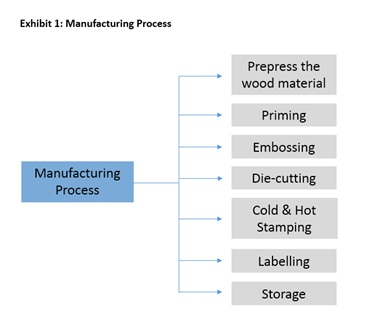
Veneer labels bear limited embossing. If embossing is done too deep, it may crack the wood material. Veneer labels can go under cold or hot stamp, but they will have limitations due to the texture of the surface. It is recommended to store veneer labels in standard temperature conditions and keep the press rolls wrapped until they are ready to use. Generally, veneer labels have shelf life of approximately one year for storage in different environment. Veneer labels are ideal labels and can accept variety of pressure sensitive adhesives.
Segmentation:
The veneer labels market has been segmented on the basis of wood type, backing material type, printing technology used, adhesives used, application, and end use industry.
The pricing has been captured on the basis of wood type, cherry being the most expensive, followed by maple and birch.
On the basis of wood type, the global veneer labels market has been segmented as:
On the basis of backing material used, the global veneer labels market has been segmented as:
On the basis of printing technology used, the global veneer labels market has been segmented as:
On the basis of adhesives used, the global veneer labels market has been segmented as:
On the basis of application, the global veneer labels market has been segmented as:
On the basis of end use industry, the global veneer labels market has been segmented as:
Backing material are used in the production of veneer labels in order to give support to the product. Veneer labels are made up of wood which can be affected easily from water or moisture and is prone to cut. Generally, PET is used as backing material, but polyethylene and polyester can also be used as a backing material.
Key factor influencing market growth:
Veneer labels are mainly used in alcoholic packaging. Changing consumer preference towards beer and wines, especially by millennials, translates into high demand for veneer labels, as the youngsters find it attractive. They want variety. Millennials walk through beer and wine alley expect lots of varieties and are always on a way to try something new rather than stick to the same brand. An attractive label in the retail outlet plays important role in sale of product.
Consumers are more likely to buy products that catches their attention on a shelf. This might outweigh advertisements, coupons, promotions and product recommendations. It is very important to understand that ‘what is on the package is just as important as what is in the package. Veneer labels is one such product which provides attractive and eye-catching look to the product which attracts the customers.
The demand for such attractive packaging increases the chances of impulse buying. Keeping in mind the consumer preferences and effective product presentation, market players are focusing on attractive marketing solutions such as veneer labels.
Production Cluster:
Exhibit 2 indicates production output of veneer labels across the world. The size of cluster indicates the production capacity of the region. The North America region leads the global veneer labels market followed by Western Europe and Asia Pacific excluding Japan. North America and Western Europe are the prime markets for veneer labels due to the presence of a large number of brewery and winery companies in these regions which require these labels for enhancing their product appeal. The same trend is followed by other regions across the globe. Veneer labels are generally used to provide rich look to the products, and it is expected to drive the veneer labels demand in the market.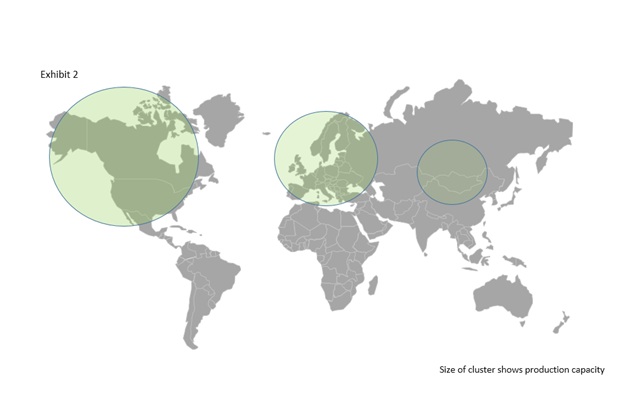
Key Players operating in the market:
Estimated Tier Structure of Companies:
Tier 1 Companies (with revenues > US$ 100 Mn):
Tier 2 Companies (with revenues between US$ 60 Mn and US$ 100 Mn):
Tier 3 Companies (with revenues < US$ 60 Mn):
Key Developments:
N/A
Copyright © Transparency Market Research, Inc. All Rights reserved
Trust Online


Veneer Labels Market

