

Reports
Reports
A software defined radio platform is a radio communication platform where the hardware components which are deployed in a radio are replaced by software on a personal computer or embedded system. Platform technologies can evolve separately from the application on the basis of well-defined application interfaces. Generally, the software defined radio platform has operating capacity of 100 kHz to 18 GHz.
Within the software defined radio platform, new capability can be added without hardware alteration which enables a new generation of communication waveform developers to create new applications without close alliances with radio manufacturers.
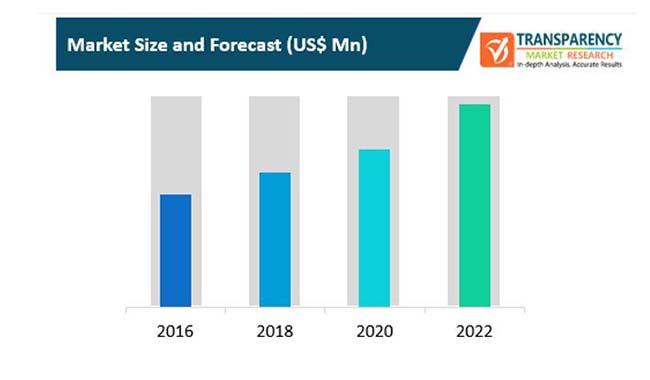
Adoption of hardware based radio systems is reducing with the increased adoption of software defined radio platforms which means that it has eliminated the cost of hardware alteration to enhance the capacity of a radio system. A traditional hardware based radio platform limits cross-functionality and can only be modified through physical hardware alteration which increases the production cost and reduces the flexibility. The cost of modification and customization in the system has reduced with software defined radio platforms, which drives the growth of the market. Software defined radio platforms have also reduced the development costs drastically.
A software defined radio platform has significant portions of a RF system which are governed or monitored by software; it follows that significant portions of the system’s functionality can be refined, modified, or even overhauled simply by downloading a new program file or updating the software. Refinement and modification can be done on the existing software which brings down the cost as well as increases the scope of application of software defined radio platforms.
Software defined radio platforms generally require extensive software development and a complicated PCB design as the major system is governed by the software and programs rather than hardware. This require expertise and strong knowledge of PCB designing and software development as well as strong network infrastructure within the country. Many Asian countries such as India, China, Malaysia, and Indonesia which hold more than half of the world’s population do not have proper network infrastructure which could hamper the growth of this market.
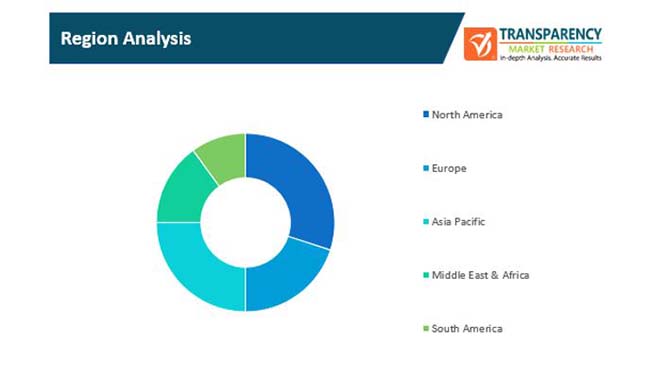
In terms of region, the global software defined radio platform market can be divided into North America, Europe, Asia Pacific, South America, and Middle East & Africa. North America is expected to dominate the global software defined radio platform market during the forecast period, due to developed network infrastructure in North America compared to other regions.
Lime Microsystems Ltd.
Established in 2005, Lime Microsystems Ltd. holds expertise in field programmable RF (FPRF) transceivers, SDR platforms, and ecosystem technology for the next generation of wireless broadband systems. The company provides both system and device level technology. Lime Microsystems Ltd. provides an advanced communication technology which can be set and reconfigured to run on any wireless communications frequency and mobile standard.
National Instruments
Established in 1976, National Instruments is a provider of design solutions to wireless communication systems. The company is a producer of automated test equipment and virtual instrumentation software. Annually, the company serves more than 35,000 companies across the globe which has generated revenue of US$ 1.3 Billion in year 2018.
The global software defined radio platform market can be segmented based on:
Based on end-use, the global software defined radio platform market can be divided into:
Based on industry, the global software defined radio platform market can be segregated into:
N/A
Copyright © Transparency Market Research, Inc. All Rights reserved
Trust Online


Software Defined Radio Platform Market

